Digital PR for AI Visibility: Engineering Authority Over Audience Reach
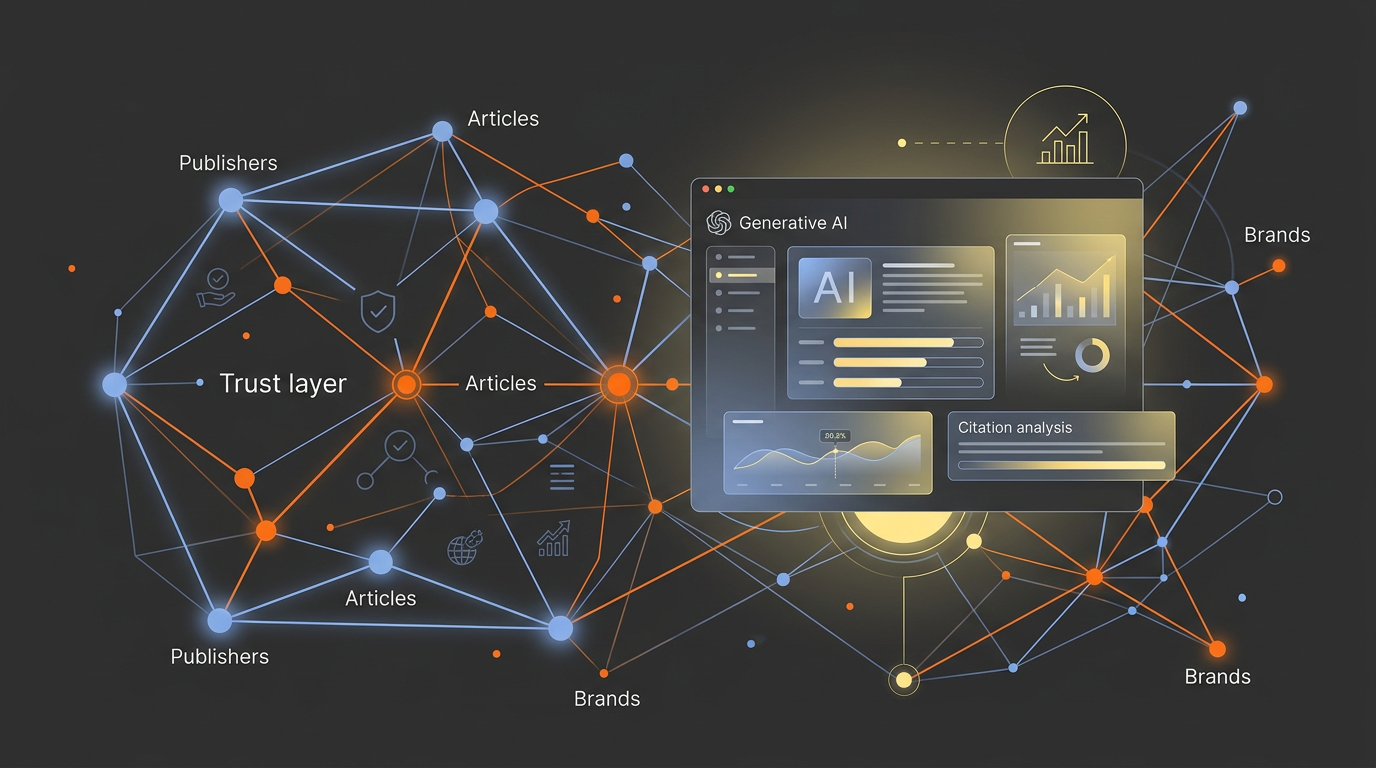
In the traditional marketing era, Public Relations was measured by reach, how many eyes saw a story. In the generative search era, the metric of success has fundamentally shifted. Visibility now depends on authority engineering, which means treating your PR strategy as a tool to inform the systems that shape buyer decisions. If AI systems like ChatGPT, Gemini, and Perplexity …
Continue Reading
Week 10: The Zero-to-Visible in AI Experiment
Week 10: Earning Authority in the Open If you are new here, we launched this experiment with a clear challenge: Can a brand-new company (with no history, no press, and no backlinks) show up in AI-generated answers alongside established competitors? We are now in Week 10 of our public test, and the results confirm that measurable visibility is achievable in record time when positioning and structure are intentionally …
Continue Reading
Week 8: The Zero-to-Visible in AI Experiment
Welcome to Week 8 of the Zero-to-Visible in AI 90-Day Experiment. If you’re new here, this is a live experiment we launched on December 11th to answer a very specific question: Can a brand-new company (with no history, no press, and no backlinks) show up in AI-generated answers alongside established competitors? This week’s update matters because it builds on what …
Continue Reading
Week 7: The Zero-to-Visible in AI Experiment
Welcome to Week 7 of No Fluff’s Zero-to-Visible in AI 90-Day Experiment. If you’re new here, this is a live test we launched on December 11th to answer a simple question: “Can a brand that didn’t exist yesterday become visible inside AI answers in 90 days?” We’re officially at the halfway point. We have successfully moved from zero to real …
Continue Reading
Week 6: The Zero-to-Visible in AI Experiment
Welcome to Week 6 of the Zero-to-Visible in AI 90-Day Experiment. If you’re new here, this is a live test we launched on December 11th to answer a simple question: “Can a brand that didn’t exist yesterday become visible inside AI answers in 90 days?” We’re officially at the halfway point. At this stage, the question is no longer whether …
Continue Reading
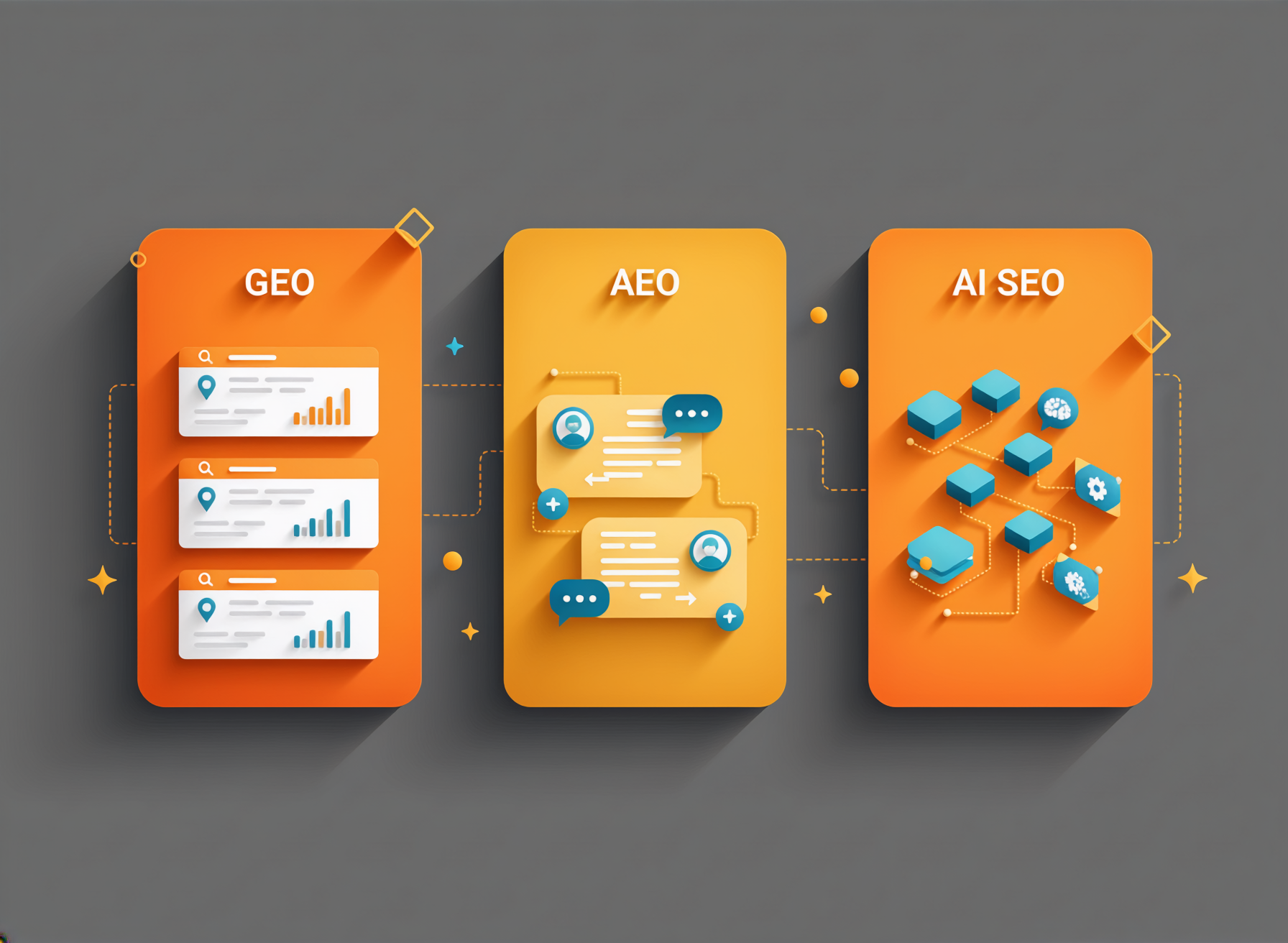
GEO, AEO, and AI SEO Explained: The No Fluff Guide to Staying Visible in AI Search
Google used to be the primary place people searched. Today, that role is increasingly played by AI systems. Buyers now ask AI to explain categories, compare options, and recommend which companies are credible. Today, people are doing more than just asking questions. They ask AI to explain a category, compare options and recommend who’s credible. These evaluations often happen before …
Continue Reading
Week 5: The Zero-to-Visible in AI Experiment
Welcome to Week 5 of the Zero-to-Visible experiment. If you are new here, this is a live experiment testing what it actually takes for a new brand to show up inside AI answers (ChatGPT, Perplexity, Gemini, and more) in 90 days. At this stage, the question is no longer whether small gains in AI visibility are possible, but what makes …
Continue Reading
How AI Systems Decide Which B2B Brands to Trust and Recommend (And Why Most B2B Companies Don’t Show Up)
-
nofluff
-
January 15, 2026
-
Blog
-
AI search visibilty
-
0 Comments
Finding Product-to-AI-Search Fit Key Takeaways AI already knows who your brand is. or thinks it does. When we launched No Fluff, we had no backlinks, no legacy content, and no Wikipedia page. In theory, that’s a weakness. In practice, it was an opportunity. We could shape how large language models define our category from the ground up. Most B2B brands …
Continue Reading
The Practical Guide to AI-Visible FAQ Pages
AI-visible FAQ pages are structured question-and-answer sections designed to help both buyers and AI engines quickly understand, extract, and cite accurate information about a company’s products or services. Key Takeaways There is a pattern we keep seeing with B2B websites. They have strong messaging, sharp design, and good product pages, but the FAQ section is either missing or invisible to …
Continue Reading
AI Content Freshness: Why AI Stops Recommending Content and When to Update It
AI recommendation decay occurs when AI systems stop citing or recommending content because it is outdated, structurally weak, or no longer aligned with trusted sources. AI content freshness determines whether AI systems continue to cite, recommend or ignore your content over time. Key Takeaways: If your content hasn’t been updated in the last 6–12 months, there’s a high chance AI …
Continue Reading